

Rubic Privacy Manifesto
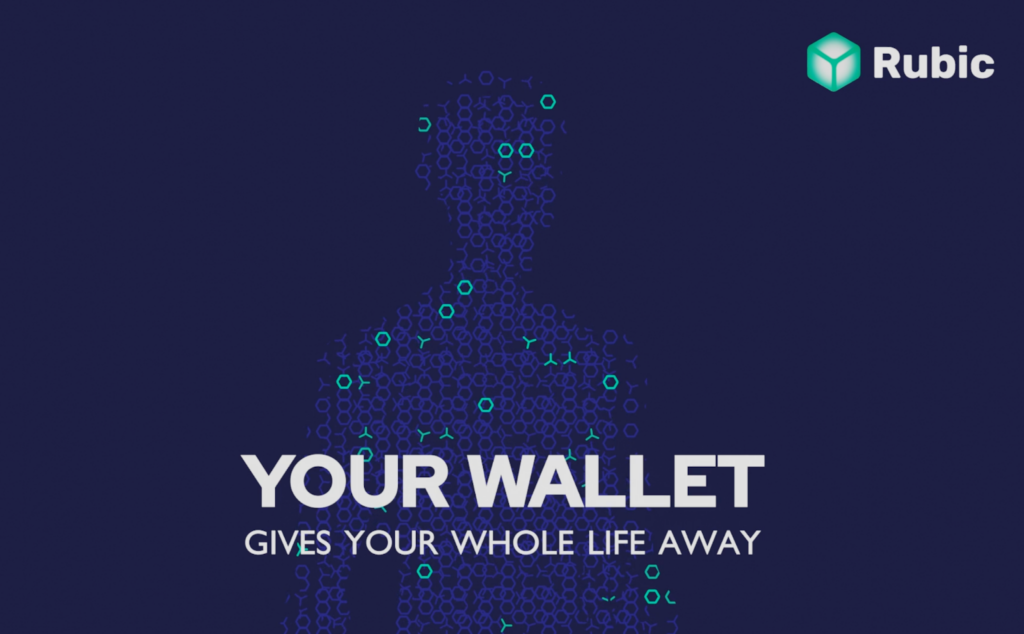
Rubic was born in 2020, during DeFi Summer, when cross-chain trading was still fragmented and every blockchain felt like its own island.
Back then, DeFi promised autonomy: freedom from gatekeepers, and decentralization that protects the individual.
But the digital world drifted.
Your X or TG account reveals your geography.
Your wallet becomes a profile.
Your handle gets tied to your wallet.
Your transactions shape a marketing persona held by third-party data handlers.
Your behavior is mapped with more precision than any centralized system was ever designed to achieve.
This is not decentralization. It is surveillance, rebuilt on top of the technology meant to eliminate it.
And it’s costing you.
Wallet tracking tools turned successful traders into content for copy-trading platforms. You find alpha, execute perfectly, then watch 500 copycats pile in and kill your edge. Entire portfolios become exposed. Phishing attacks follow.
One leaked address = your complete financial history visible forever.
We build infrastructure to restore what got lost. You should be able to participate in the digital economy without being followed.
Not because you seek to hide, but because you have the right not to be exposed.
This is compliant privacy: lawful, responsible, but fiercely protective of user autonomy.
This is why we built the first decentralized privacy aggregator. A platform where privacy is infrastructure, not an afterthought. Where the system protects you instead of profiling you. Where the blockchain’s roots guide the future we create.
Rubic’s Private Mode lets you trade without the trail when it matters. Stop broadcasting your portfolio. Stop being surveillance content.
Building positions? Making a transfer? Use Rubic’s Private Mode. Your strategy stays yours.
Non-custodial. No KYC.
Best execution, for moves that belong only to you. No unnecessary visibility. Just sovereign, encrypted, decentralized exchange, the way it began.
Trade freely.
Trade privately.
Trade the way the blockchain intended.
Because bank-level privacy is not a feature. It is your right.

Content Lead at Rubic with a deep dive into Web3 trends, industry narratives, and market analysis